
SIL and SDA, explained simply
Supported Independent Living (SIL) is the support you receive every day. Specialist Disability Accommodation (SDA) is specialist housing. Here's how each works, and where ASDA fits in.

SIL vs SDA
The most common question we hear. Here's the simple version.
SIL — The support
The people who help you every day. Funded through your NDIS plan, chosen by you.
- Personal care and daily assistance
- Meals, cleaning, household tasks
- Transport and community access
- Building independence and skills
- You choose your provider
SDA — The housing
The physical home itself. Funded separately by the NDIA based on your needs.
- The dwelling (design, accessibility)
- Purpose-built or modified homes
- Determined by functional assessment
- Separate funding line in your plan
- Not all participants have SDA funding
What's included in SIL
Our team supports you with everyday tasks so you can focus on living your life. Here's what that looks like.
Personal care
Daily assistance tailored to you — at a pace and in a way that respects your dignity and preferences.
- Morning and evening routines
- Bathing, dressing, grooming
- Medication prompts and reminders
- Mobility and transfer assistance
Meals and household
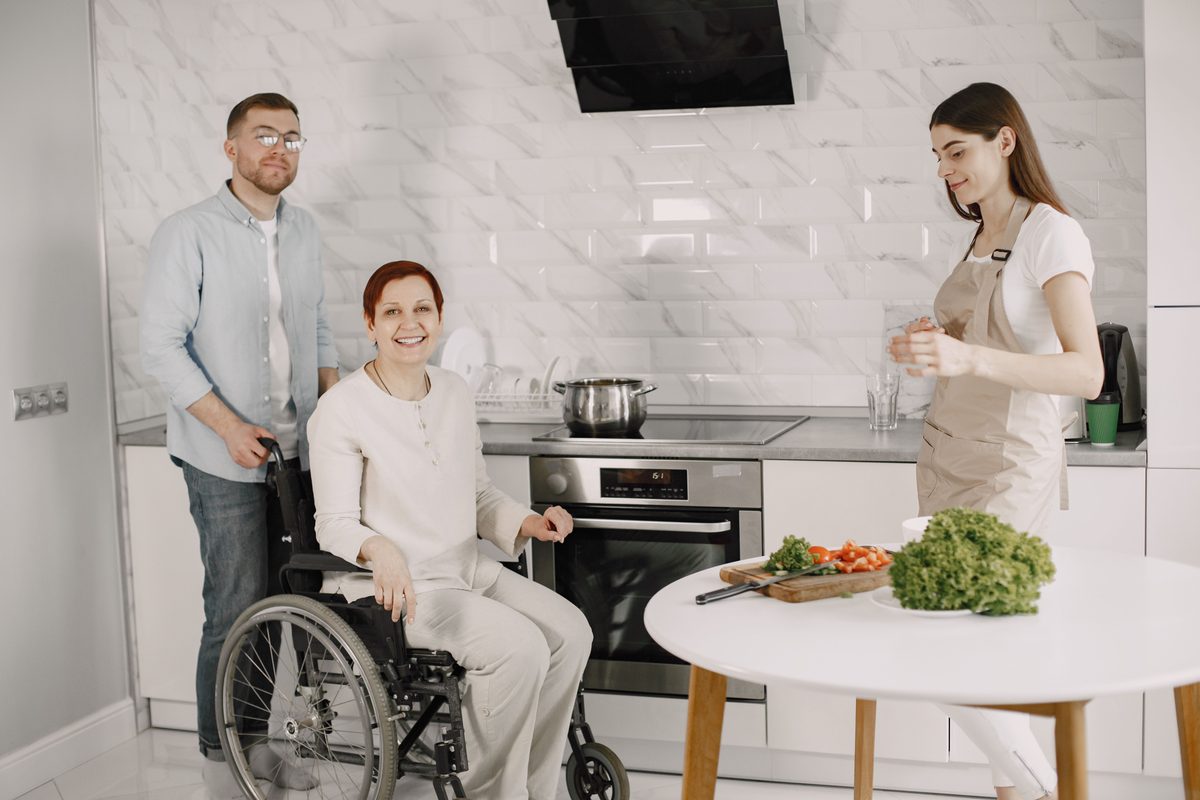
Help with cooking, cleaning, and the everyday tasks that keep a home running — always working alongside you, not for you.
- Meal planning and preparation
- Grocery shopping together
- Cleaning and laundry
- Budgeting and household admin
Community access
Life beyond the front door. We help you get out, stay connected, and participate in the things that matter to you.
- Transport to appointments
- Shopping trips and errands
- Social outings and activities
- Connecting with local services

Building everyday skills
Independence isn't a destination — it's a direction. We work with you to build confidence and capability over time.
- Cooking and meal skills
- Money management
- Social and communication skills
- Using public transport

Who is SIL for?
SIL is for people with disability who need regular support to live independently. You do not need to be in crisis to explore SIL — many people start the conversation early.
Leaving the family home
Adults ready to transition into supported independent living for the first time.
Changing providers
People moving from another arrangement that is no longer the right fit.
Families exploring options
Parents and carers looking ahead — planning for the future while things are stable.
Support coordinators
Coordinators looking for a trusted provider with homes across Sydney and Ballarat.
A day with SIL support
Every day is different, but here's what a typical day might look like.
How to get started
Getting started with SIL is simpler than you might think.
Get in touch
Call us, send a message, or fill in the enquiry form. No commitments.
We have a conversation
We listen to what you need — where you want to live, what support matters, what everyday life should look like.
Visit a home
Come and see one of our homes in person. Bring your family, your support coordinator, or come on your own.
Your support coordinator helps with the rest
They work with the NDIA to arrange your SIL funding.
Move in
We work with you to make the transition as smooth as possible.
What's included in SDA
Specialist Disability Accommodation (SDA) is the home itself, funded separately from the support you receive. Here's what it covers.
The home
SDA covers housing that has been purpose-built or modified for people with significant disability-related needs. It's the building, not the people who support you.
- Purpose-built or modified homes
- Design features such as wider doorways and accessible bathrooms
- Reinforced construction or assistive technology where needed
- Homes designed to make daily living safer and more independent
Design categories
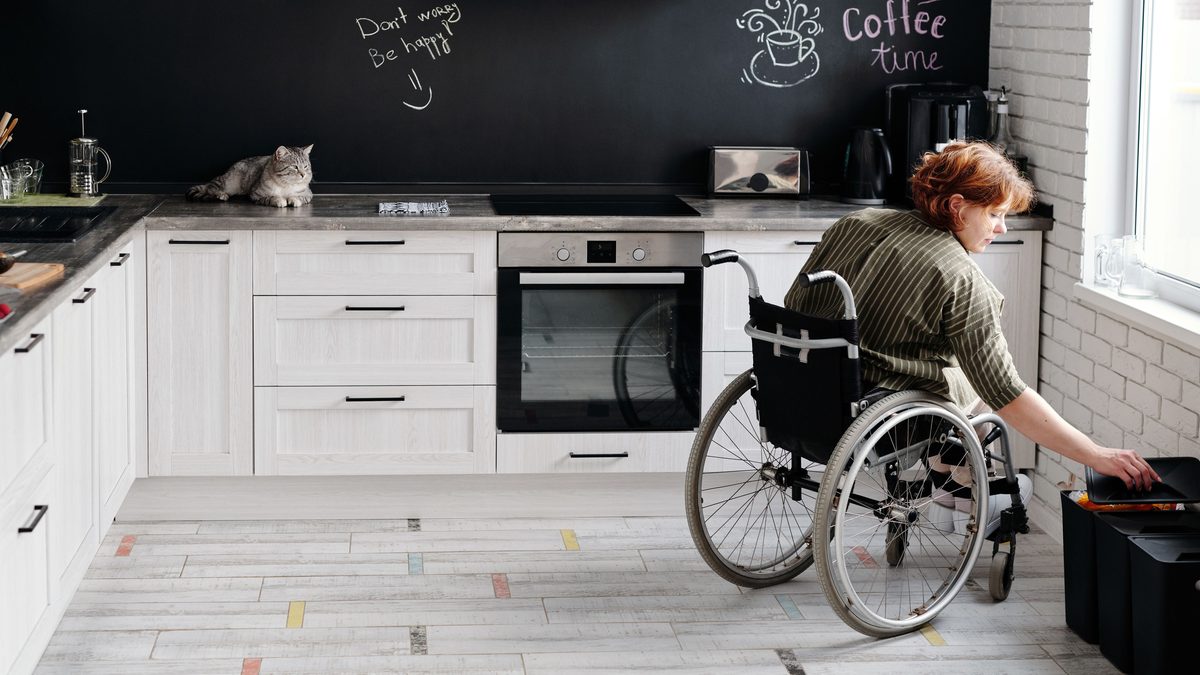
Every SDA home is built to one of four NDIS design categories. Which one suits a person depends on their individual needs and is worked out through the NDIS planning process.
- Improved Liveability: for sensory, intellectual or cognitive needs
- Fully Accessible: for people who use wheelchairs or mobility equipment
- Robust: durable, reinforced homes for high-impact needs
- High Physical Support: the highest level of built-in accessibility

How it's funded
SDA is a separate budget in your NDIS plan. It's assessed separately from SIL, and having one doesn't automatically mean you have the other.
- SDA funding pays for the specialist home itself
- For people with extreme functional impairment or very high support needs
- Eligibility is decided by the NDIA, based on your circumstances
- Not everyone with an NDIS plan has SDA funding

What you pay
SDA funding covers the home, but not everything that comes with living there.
- A reasonable rent contribution, usually paid from your own income
- Day-to-day costs like food, utilities and personal expenses
- Daily support (such as SIL) is funded separately in your plan
- Your provider will explain all costs before you sign anything
ASDA is a registered NDIS provider for SIL and SDA. Our current homes offer Supported Independent Living. Have SDA funding or questions about SDA? Talk to our team.
Common questions
Yes. SIL is funded through your NDIS plan, and you have the right to choose which provider delivers your support. You can change providers if your current arrangement isn't working.
Your support coordinator works with the NDIA to include SIL in your plan. It's based on your individual needs and goals. We can help connect you with the right people to get started.
SIL covers your support — the people who help you daily. It does not cover rent, groceries, utilities, or the physical dwelling. Those are separate costs (rent from your income, groceries from your budget, housing from SDA funding if applicable).
Availability changes. The best way to find out is to call us on 0422 176 811 or send an enquiry. We respond within one business day.
We work hard to match housemates thoughtfully. Compatibility matters — we want everyone to feel comfortable and safe. We're happy to discuss this during a tour or conversation.
It varies depending on your situation and NDIS plan. Some people move in within weeks, others take a few months. The first step — getting in touch — takes a minute. We handle the rest with you.
ASDA is a registered NDIS provider for SIL and SDA. Our current homes offer Supported Independent Living. Have SDA funding or questions about SDA? Talk to our team.
Yes. SDA (the home) and SIL (the support) are separate budgets in your NDIS plan and are assessed separately by the NDIA. You can have one, the other, or both.
Ready to talk?
No pressure, no commitments. Just a conversation about what you're looking for.